Why Does Winter Wreak Havoc on Aging Skin? (And What Actually Helps)
Winter doesn’t just bring cold weather—it brings a cascade of health challenges that hit aging adults harder than anyone else. The dry air, indoor heating, and shorter days create a perfect storm of physical stressors. But here’s what most people get wrong: it’s not just about dry skin. The real issue is how winter amplifies existing vulnerabilities in aging bodies, turning minor annoyances into genuine health concerns.
When temperatures drop, the body’s natural defense systems work overtime. Skin barrier function weakens. Blood vessels constrict. Immune responses slow down. For older adults, these changes aren’t just uncomfortable—they’re the difference between a healthy winter and a season of recurring problems.
Why Do Aging Adults Struggle More with Winter Dryness?
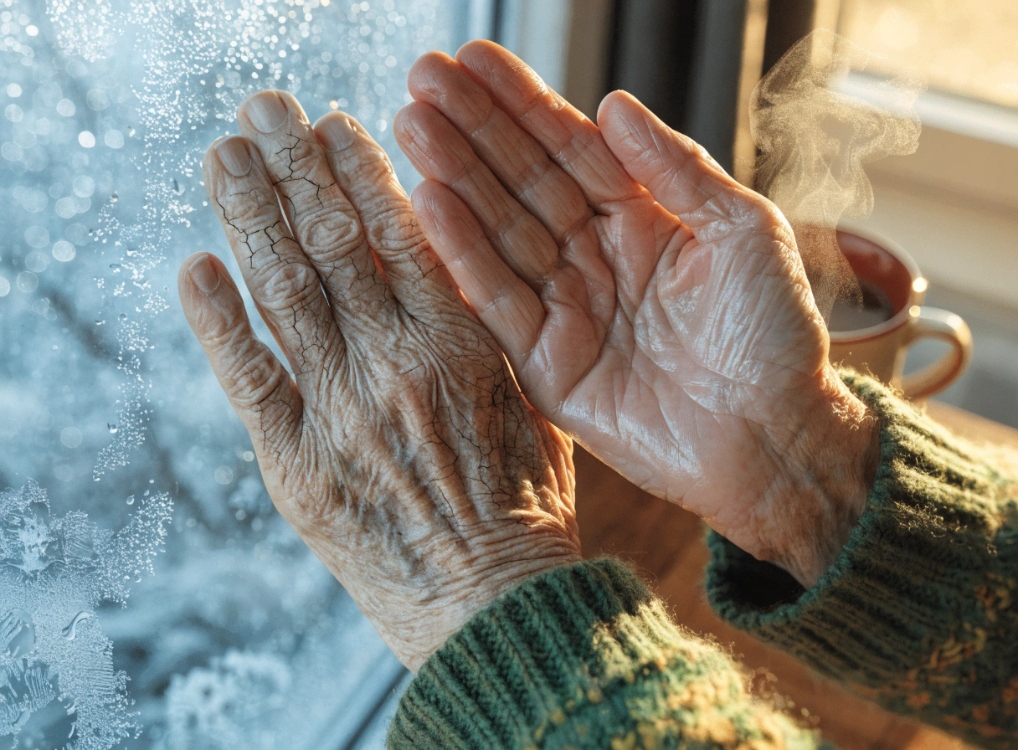
As we age, our skin produces less oil and renews itself more slowly. The lipid barrier that locks in moisture becomes thinner and less effective. Winter air, which holds less humidity, pulls whatever moisture remains directly from the skin’s surface. Indoor heating makes this worse by further reducing humidity levels.
But dryness isn’t just cosmetic. Cracked skin creates entry points for bacteria. For older adults with compromised immune systems or conditions like diabetes, these small cracks can lead to cellulitis or other serious skin infections. The dryness itself is a symptom of a deeper issue: the skin’s declining ability to protect what’s underneath
What Happens to the Immune System in Cold Weather?
Cold air constricts blood vessels in the nose and airways, reducing blood flow to immune cells that normally trap and fight viruses. Lower vitamin D levels from reduced sun exposure further weaken immune response. For aging adults, whose immune systems already operate less efficiently, this combination creates a months-long window of vulnerability.
This explains why respiratory infections spike so dramatically in older populations during winter. It’s not just that people stay indoors more—it’s that the body’s first-line defenses literally work slower in cold conditions.
Can Indoor Heating Actually Make Us Sicker?
Forced-air heating systems dry out mucous membranes in the nose and throat. These membranes are supposed to trap pathogens before they reach the lungs. When they’re dry and irritated, that filtration system fails. Additionally, heating systems recirculate dust, pet dander, and other particles that can trigger respiratory issues.
For aging adults with existing conditions like COPD or asthma, this double hit—dry membranes plus increased airborne irritants—often leads to winter-long breathing difficulties that don’t respond well to standard treatments.
How Does Winter Affect Joint Pain and Mobility?
Barometric pressure drops during cold weather allow tissues around joints to expand slightly, which increases pressure and pain. Cold temperatures also make synovial fluid—the lubricant in joints—thicker and less effective. This creates stiffness that discourages movement.
Less movement means colder bodies. Colder bodies mean stiffer joints. It’s a feedback loop that traps aging adults indoors and in chairs, accelerating muscle loss and reducing overall mobility faster than any other time of year.
What Role Does Reduced Sunlight Play?
Lower light levels disrupt circadian rhythms, which affects sleep quality. Poor sleep directly impacts everything from pain perception to immune function. Vitamin D production drops dramatically, affecting bone health and mood regulation.
For aging adults, this often presents as “winter blues” that’s actually a physiological response to light deprivation. The connection between light exposure and physical health is stronger than most realize—it’s not just about mood, but about how every system in the body regulates itself.
The Winter Wake-Up Call: Margaret’s Story
Margaret, 74, spent every winter treating her “dry skin problem” with expensive lotions. Nothing worked well, and by February she’d usually have a chest cold that lingered for weeks.
When she finally mentioned the skin cracking to her doctor, they looked deeper. The dryness was a warning sign—she was mildly dehydrated because she’d stopped drinking water regularly. Cold weather reduced her thirst response, and she’d switched from water to tea, which acted as a mild diuretic. Her dry skin wasn’t the problem. It was a symptom of a hydration issue that also explained her recurring winter infections.
Four months later, after tracking water intake and using a humidifier, Margaret’s skin improved. More importantly, she went infection-free for the first winter in five years.
Smart Strategies for Winter Health Management
Start with hydration before dryness appears. Thirst response diminishes with age, so drinking by schedule matters more than drinking by feeling. Room-temperature water is often better tolerated in winter than cold water.
Layer moisturizers correctly. Apply to damp skin, not dry. Ingredients like ceramides and glycerin repair barrier function, while occlusives like petrolatum lock moisture in. The order matters: humectants first, then emollients, then occlusives.
Protect immune barriers physically. Humidifiers in main living areas and bedrooms keep mucous membranes functional. Nasal saline sprays add another layer of protection. Both are inexpensive and underused.
Maintain movement indoors. Joint stiffness accelerates when movement stops completely. Chair exercises or simple stretching during commercial breaks preserves synovial fluid function and maintains mobility.
Consider light exposure intentionally. Morning light exposure, even through windows, helps regulate sleep-wake cycles. For those in darker climates, dawn simulator alarms often work better than vitamin D supplements alone for energy regulation.
The Winter Health Truth
Winter doesn’t create new health problems for aging adults—it exposes the ones that were already there. Dry skin, stiff joints, and recurring infections are signals from a body asking for different support than it needed at thirty. Treat the signals seriously, and the season becomes manageable. Ignore them, and winter becomes something to survive rather than live through.