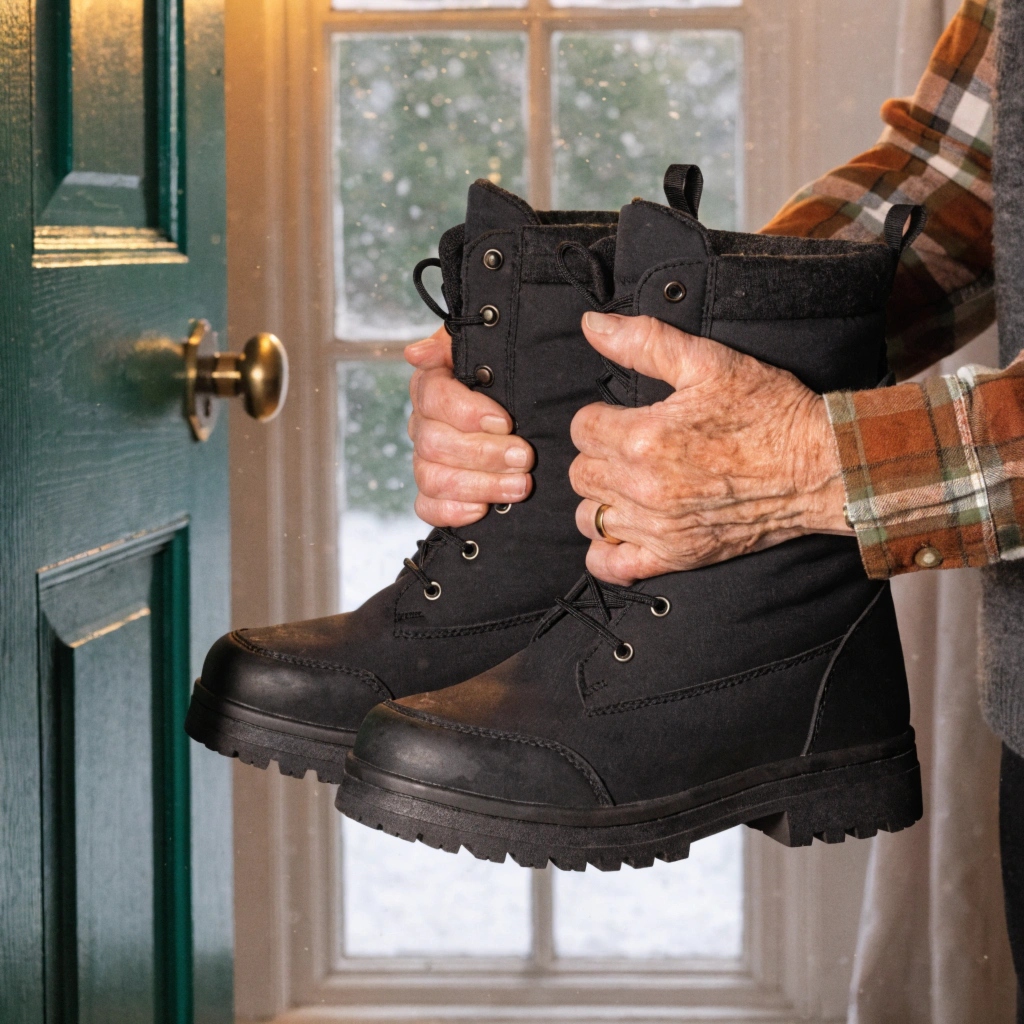
The shorter days and colder weather of winter don’t just affect physical health; they directly increase the risk of social isolation for older adults. When it’s difficult or unsafe to go outside, the spontaneous connections that happen at community centers, places of worship, or even the grocery store vanish. This lack of contact, combined with the natural tendency to “hibernate” indoors, can quickly turn seasonal loneliness into a serious health concern.
Why This Matters More Than You Think
Many people assume that staying home during winter is simply a matter of comfort or preference for seniors. The reality is that isolation is often a gradual, invisible process triggered by environmental barriers. It’s not just about missing social interaction—it’s about the cumulative effect of days or weeks without meaningful conversation, which can lead to depression, cognitive decline, and even physical deterioration. The misconception is that if a senior has a warm house and a television, they are fine; in reality, they need purpose and connection just as much as they need heat.
How Can You Tell If a Senior Is Struggling with Isolation?
Isolation isn’t always announced. Look for changes in routine, such as a sudden disinterest in hobbies, a drop in personal grooming, or an increase in calls about minor aches and pains, which can sometimes be a subconscious way of seeking attention. If a normally engaged parent starts letting calls go to voicemail or declines video chats because they “don’t look presentable,” it’s often a sign they are withdrawing, not just relaxing.
What Small Daily Habits Make the Biggest Difference?
Consistency matters more than grand gestures. A five-minute phone call at the same time every day provides a reliable anchor. Encouraging a senior to sit by a sunny window for 15 minutes or to do a simple stretching routine can combat the lethargy that fuels isolation. The goal is to interrupt the long, empty stretches of time with small, predictable events.
Why Is Technology Often a Barrier Instead of a Bridge?
Assuming an older adult can easily use a smartphone or tablet is a common mistake. If the technology isn’t intuitive, it becomes a source of frustration, making them feel “stupid” or left behind, which worsens the isolation. The key is to set up devices to be as simple as possible—removing extra apps, using large text, and setting up one-touch video calling—so the technology disappears and the connection remains.
What Role Do Errands Play in Mental Well-Being?
An errand is rarely just an errand. A trip to the grocery store or pharmacy is often the primary source of human contact for the day. When that is removed due to ice or cold, it isn’t just a logistical problem; it’s a social void. Instead of simply offering to do the shopping for them, consider accompanying them on the trip, or if that’s impossible, schedule a specific time to talk about the “trip” afterward to replace the lost social exchange.
How Can You Create “Connection Points” Without Being There?
Physical presence isn’t the only way to provide comfort. Simple, tangible items can serve as reminders that someone cares. Sending a letter or a small care package gives them something to hold and look at repeatedly. Coordinating with a neighbor to wave at a specific time each day, or setting up a bird feeder outside a frequently used window, creates passive engagement with the outside world that breaks the monotony.
The Monday Morning Coffee Test
Imagine an 82-year-old woman named Helen. Every Monday for years, she walked to the diner for coffee with friends. During a winter storm, the roads are too icy to walk, and her friends cancel. By Wednesday, she hasn’t spoken to anyone. She feels “lazy” and “tired.” This isn’t laziness; it’s the absence of purpose. The solution isn’t a fancy device; it’s a neighbor picking up a coffee to-go, bringing it over on Wednesday, and sitting with her for 20 minutes to replicate the ritual. That simple act resets her entire week.
Smart Strategies for Staying Connected
– **Schedule the Unscheduled: ** Loneliness often happens in the gaps between planned events. Schedule a “random” mid-week check-in to break up the longest stretch of the week.
– **Focus on Rituals, Not Check-Ins: ** Instead of a call to “see if you’re okay,” create a shared activity, like watching the same TV show at the same time and discussing it afterward.
– **Leverage Local Networks: ** Contact local senior centers or faith-based groups; many have phone trees or volunteer visitor programs specifically designed for winter months. It’s about building a support web, not relying on one person.
The Takeaway
Winter isolation is a health crisis disguised as a seasonal inconvenience. The most effective remedy isn’t just more contact, but *purposeful* contact—small, consistent rituals that prove to a senior that they are seen, remembered, and valued, even when the world is cold and the doors are shut.