Winter transforms familiar environments into hazardous landscapes, and for older adults, this seasonal shift brings genuine safety concerns. Preventing falls during cold weather requires understanding how ice, snow, and reduced daylight interact with age-related physical changes—then taking practical steps to address each risk factor before an accident happens.
The Real Reason Winter Falls Are Different
Most people assume icy sidewalks are the primary culprit, but the winter fall risk for seniors runs deeper than slippery surfaces. Shorter days mean less sunlight exposure, which affects vitamin D levels and can subtly weaken muscles over time. Cold temperatures make joints stiffer and reaction times slower. Indoor spaces become more crowded with holiday decorations, wet floors from melted snow, and reduced lighting. Understanding this combination of factors explains why traditional fall prevention advice often falls short—it focuses on one element while missing the bigger picture.
What Physical Changes Make Winter Falling More Likely?
Age-related declines in balance, vision, and muscle strength don’t pause for seasonal changes. Cold weather constricts blood vessels, potentially reducing circulation to extremities and affecting proprioception—the body’s ability to sense its position in space. Medications that work well in moderate temperatures may have different effects in the cold. Even subtle changes in blood pressure when moving from warm indoor spaces to cold outdoors can create momentary dizziness. These physiological factors, combined with winter’s environmental challenges, create a perfect storm for falls.
How Should Winter Footwear Actually Perform?
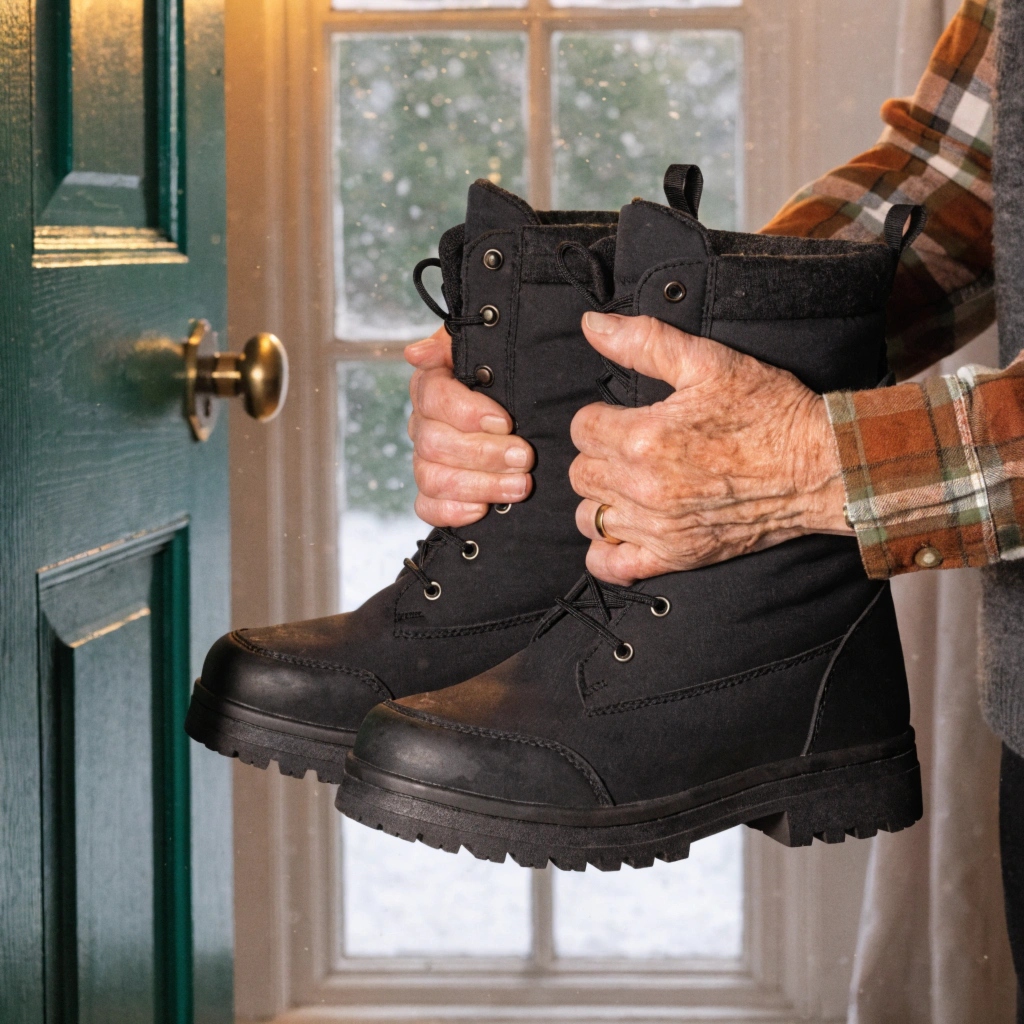
Proper winter footwear isn’t just about insulation—it’s about traction and stability. Look for shoes with wide, shallow tread patterns that can grip ice while still making contact with pavement. Avoid deep lug soles that can actually reduce surface contact on packed snow. The sole should be made of rubber compounds that remain flexible in cold temperatures; stiff materials lose grip when temperatures drop. Heel height matters tremendously—flat, stable bases with low heels provide the most security. Most importantly, footwear should fit properly with room for warm socks without being loose enough to slide.
Which Home Areas Become Danger Zones After Dark?
Winter darkness arrives earlier and lasts longer, transforming familiar spaces. Entryways become particularly treacherous—wet shoes on smooth flooring, dark foyers without adequate lighting, and mats that slide rather than stay put. Bathrooms pose risks during nighttime trips when bodies are colder and muscles less responsive. Staircases with poor lighting become genuine hazards, especially if handrails are cold to the touch, making people reluctant to grip them firmly. Bedrooms located far from bathrooms increase nighttime walking distances through dark spaces.
What Balance Exercises Work Best During Cold Months?
The most effective winter balance exercises require no ice or snow—they build strength and stability indoors. Heel-to-toe walking along a straight line for 10-15 steps improves dynamic balance. Standing on one foot while holding a counter builds single-leg stability needed for navigating curbs and steps. Seated leg raises strengthen hip flexors crucial for lifting feet over thresholds. Chair squats build the muscle memory for controlled sitting and standing. These exercises work best when performed near stable surfaces and incorporated into daily routines rather than treated as separate workout sessions.
How Do You Navigate Icy Pathways Safely?
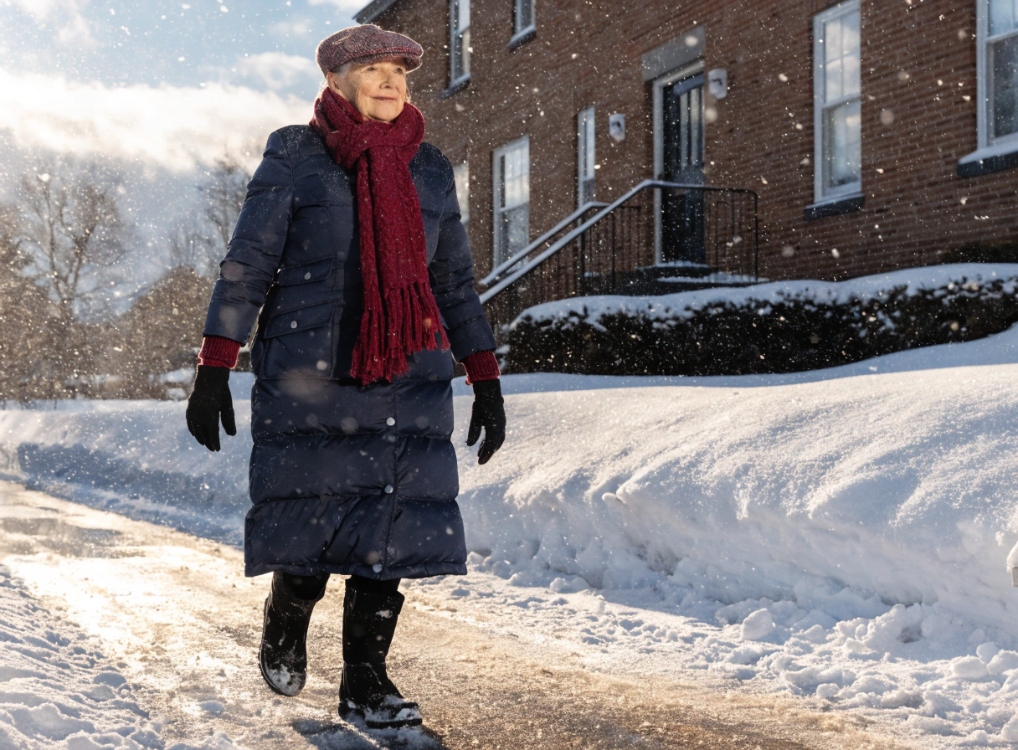
Walking on ice requires a complete mental shift from normal walking patterns. The key is reducing momentum—take shorter, shuffling steps that keep your center of gravity directly over your feet. Keep hands out of pockets to maintain balance and break a potential fall. Spread feet slightly wider than usual to widen your base of support. When stepping off curbs, face the direction of travel rather than stepping sideways. If you carry items, use a backpack to keep hands free. Most importantly, accept that being late is better than being injured—rush nothing when ice is present.
Real-World Example: Margaret’s Winter Preparation
Margaret, a 78-year-old who lives alone, spent years navigating winter cautiously but reactively—waiting for ice to form before adjusting her behavior. After a minor slip in her driveway, she changed her approach entirely. Before winter arrived, she had her pharmacist review medications for dizziness risks. She installed motion-sensor lights along her walkway and added grip tape to her exterior steps. Her daughter helped rearrange the living space so Margaret’s bedroom, bathroom, and kitchen were all on one floor. She now practices “penguin walking”—flat-footed, shuffling steps—whenever temperatures drop below freezing. Three winters later, she hasn’t had another fall.
Smart Winter Safety Practices That Actually Work
Effective winter fall prevention operates on multiple levels simultaneously. Outdoors, treat every surface as potentially slippery until proven otherwise. Indoors, maintain consistent lighting throughout the night using night lights or leaving bathroom lights on. Create designated pathways free of cords, rugs, and clutter. Keep frequently used items at waist level to avoid reaching or stooping. Consider installing grab bars in bathrooms and railings on both sides of staircases before winter arrives. Most importantly, build a support network—neighbors who can clear snow, family who check in during storms, and friends who understand when you cancel plans due to weather.
The Bottom Line on Winter Fall Prevention
Winter falls are not inevitable consequences of aging—they’re predictable events that become preventable when you understand the unique combination of physical, environmental, and behavioral factors at play during cold months. The goal isn’t to eliminate all winter activity, but to approach it with strategy and respect for the season’s hidden challenges.