Winter poses hidden dangers for older adults that go far beyond the common cold. As temperatures drop, the home environment must adapt to protect aging bodies that are more susceptible to cold, less aware of temperature changes, and at higher risk of falls. Preparing a home for an elderly resident isn’t just about turning up the thermostat; it is about creating a layered safety net that compensates for the physiological changes that come with age.
Why a Standard Home Can Become Risky in Winter
Many families assume that if they are comfortable, their older relative is too. This is a common misconception. As people age, their metabolism slows, making it harder to generate body heat. Additionally, conditions like diabetes or heart disease can impair circulation, and certain medications can interfere with the body’s ability to regulate temperature. This means an elderly person might feel cold—or fail to realize they *are* cold—much later than a younger person would. Winter preparation, therefore, isn’t just about comfort; it’s about compensating for a diminished ability to sense and respond to environmental stress.
How Cold Does a House Have to Be to Pose a Risk for an Elderly Person?
Hypothermia doesn’t only happen in freezing outdoor conditions. An older person can develop hypothermia indoors at temperatures that feel mildly chilly to others. If the indoor temperature drops below 65°F (18°C), the risk begins to increase significantly. Because seniors produce less body heat, they need a warmer environment to maintain their core temperature. It is often recommended to keep the thermostat set to at least 68°F to 70°F during winter months. Relying solely on an older person’s perception of cold is risky, as they may not realize how cold they actually are until physical symptoms appear.
What Are the Most Common Causes of Falls Indoors During Winter?
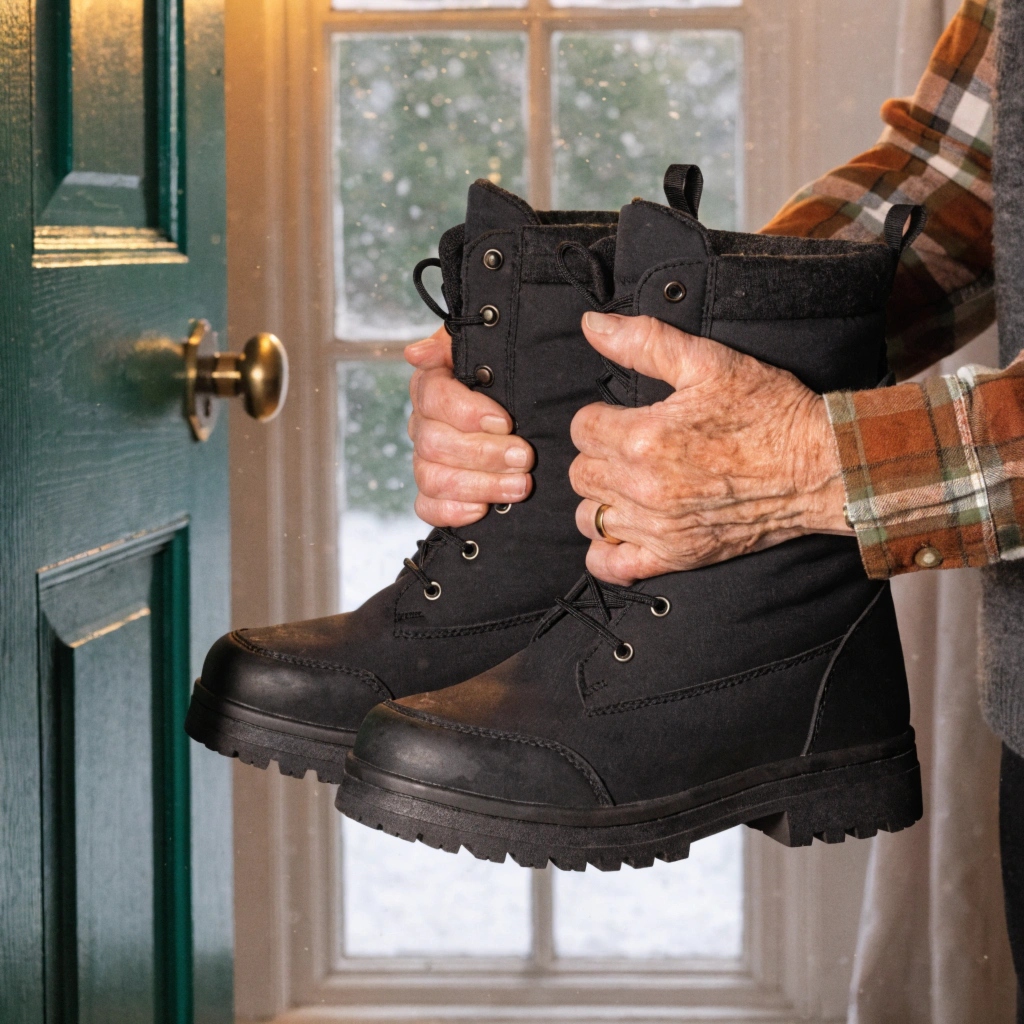
While ice on sidewalks is an obvious hazard, the indoors present a unique set of trip risks during winter. Dry air and the transition from snowy shoes to hardwood floors can create slick surfaces. More critically, heavy winter clothing, boots, and the need to carry extra firewood or hot drinks can throw off balance. Throw rugs placed near entrances to catch moisture often slide underfoot, becoming a major hazard. The combination of reduced daylight hours and the tendency for rooms to be darker in winter also impairs depth perception, making it easier to misjudge a step or bump into furniture.
Should an Elderly Person Sleep With a Heater On?
Space heaters are a common solution for adding warmth to a specific room, but they require strict protocols when used by seniors. If an older adult has memory issues, a portable space heater left on overnight can be a severe fire risk, especially if it is placed too close to bedding or curtains. A safer alternative is an oil-filled radiator heater, which has a cooler surface and retains heat longer, or simply increasing the base temperature of the home. If a heater must be used in a bedroom, it should have an automatic shut-off tip-over switch and be placed at a safe distance. It is always safer to warm the person with appropriate bedding than to rely on a device that could be forgotten or knocked over.
How Does Winter Lighting Affect Senior Safety?
The shift to shorter days and overcast weather directly impacts senior mobility. With less natural light streaming in, interior spaces can become a maze of confusing shadows. For someone with age-related vision changes, these shadows can obscure a tripping hazard or make a stair edge disappear. It’s not just about having lights on; it’s about strategic illumination. Night lights in hallways and bathrooms are essential, but so is ensuring there is a clear, unobstructed path from the bed to the bathroom that is lit well enough to navigate in a groggy state. Staircases should be well-lit from top to bottom, with switches accessible at both ends.
Why Does Hydration Matter When It’s Not Hot Outside?
Dehydration is a pervasive winter issue for the elderly. The body’s thirst response diminishes with age, and in cold weather, people simply don’t *feel* thirsty. However, indoor heating systems drastically dry out the air, leading to fluid loss through respiration and perspiration that goes unnoticed. This dehydration can lead to dizziness, low blood pressure, and confusion—all direct contributors to falls. Furthermore, dehydration concentrates the blood, which can be particularly dangerous for those managing heart conditions. Encouraging warm drinks like herbal tea or hot broth can help maintain fluid levels while also contributing to body warmth.
A Practical Scenario: The Evening Routine
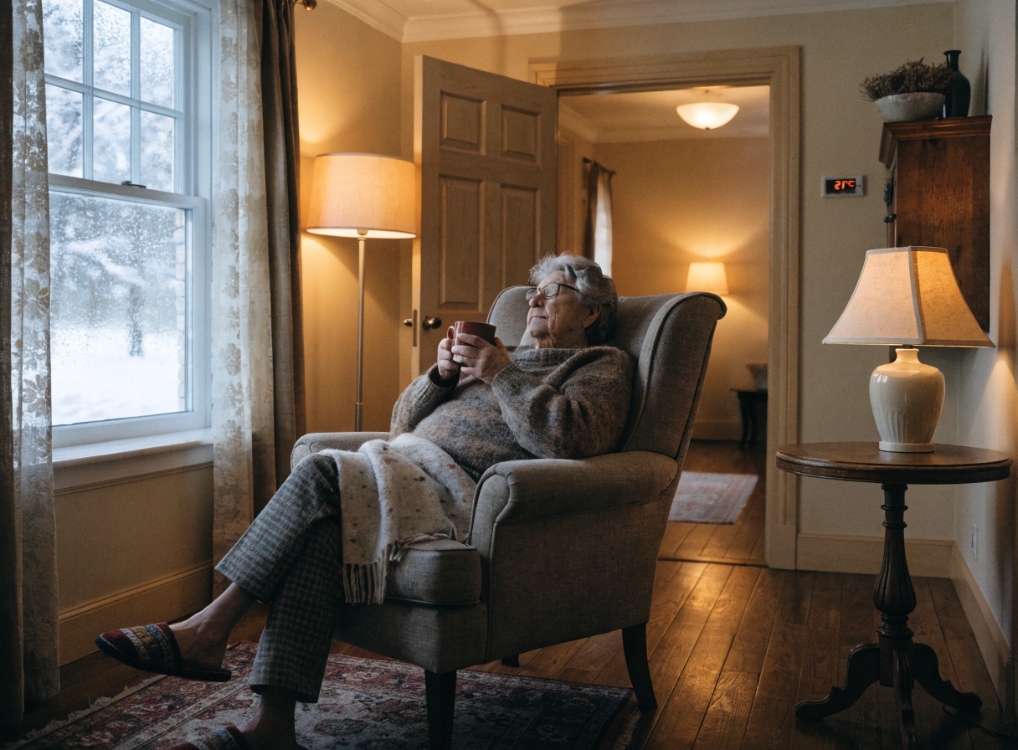
Imagine 82-year-old Margaret, who lives alone. During a winter evening, she turns down her thermostat to save money, puts on an extra sweater, and settles in to watch television. As the room cools, her circulation slows. When she gets up to go to the kitchen, the combination of cooler joints (stiffness) and lower blood pressure from mild dehydration makes her feel unsteady. She reaches for a chair that is just inches out of place due to her moving it earlier to be closer to the heater vent. She stumbles. This chain reaction—initiated by the cold—highlights how environmental factors accumulate into a single dangerous moment.
Best Practices for a Protective Winter Environment
Creating a safe winter home is about proactive layering. First, **standardize the temperature**. Use a programmable thermostat to maintain a consistent, safe temperature day and night, removing the guesswork and the temptation to underheat the home to save money. Second, **optimize for traction and light**. Remove loose rugs, ensure all footwear has non-slip soles (even inside), and install motion-sensor lights in critical pathways so that no one has to fumble for a switch in the dark. Third, **audit the air**. Monitor both temperature and humidity levels, using a humidifier if necessary to keep the air moist, which helps with both respiratory health and hydration. Finally, establish a check-in system during extreme cold snaps to ensure the environment hasn’t created an invisible health crisis.
The Winter-Ready Takeaway
A safe winter home for an aging loved one is not defined by its warmth alone, but by its consistency. Consistency in temperature, visibility, and humidity removes the hidden variables that aging bodies struggle to adapt to. By engineering the home to be stable and predictable, you preserve the senior’s energy and strength for living, not for simply surviving the season